Why Creative Direction Is the New Performance Marketing in 2026
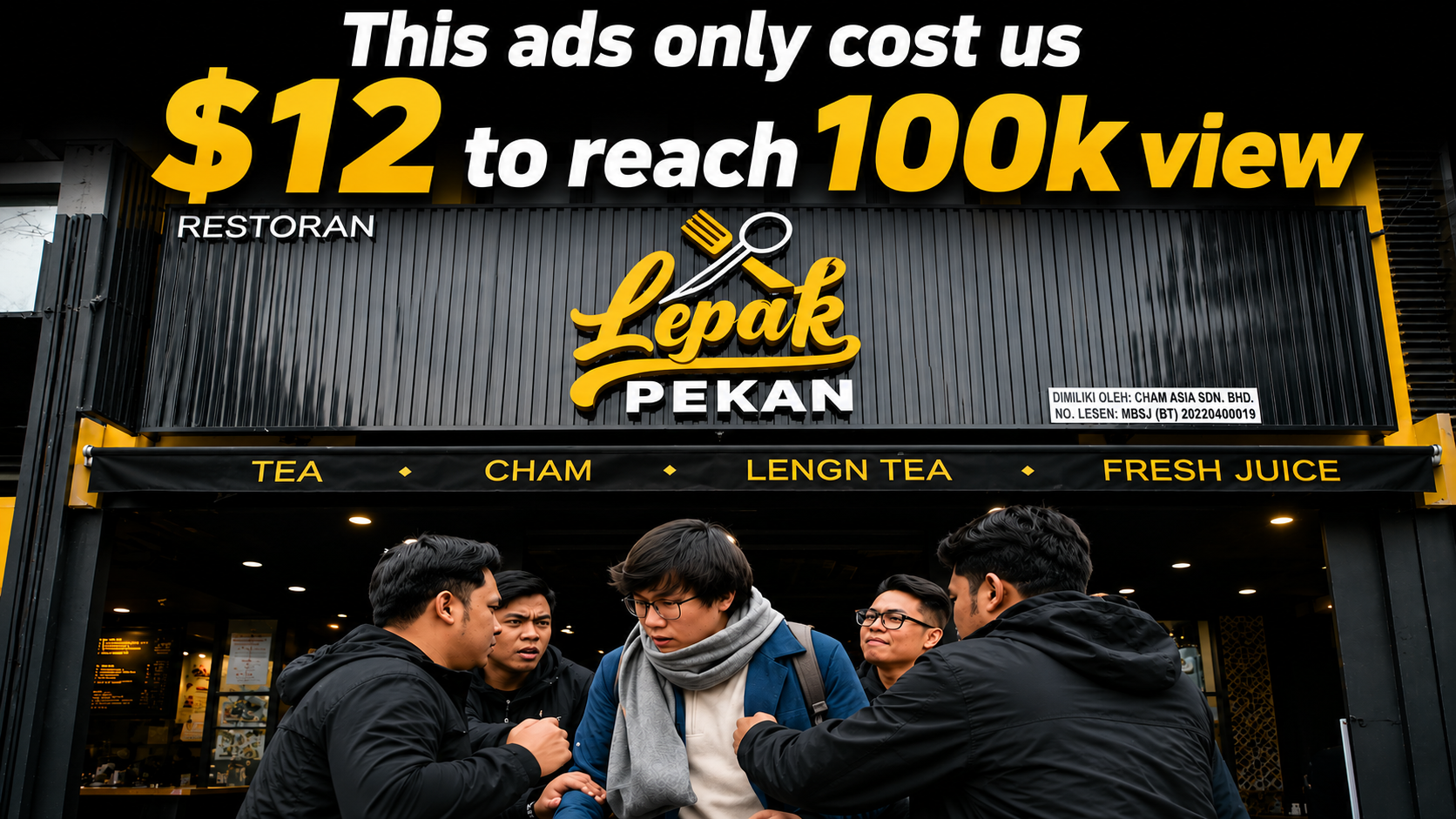
Meta advertising has entered a completely different era.
For years, marketers believed the secret to scaling Facebook ads was hidden inside targeting hacks, audience stacks, campaign structures, and media-buying tricks.
That worked in 2019.
But in 2026, platforms like Facebook and Instagram are powered by advanced AI systems capable of understanding user behavior at a level most advertisers still underestimate.
The biggest shift?
Creative quality now determines ad performance more than targeting complexity.
If your agency still relies heavily on manual targeting while neglecting creative direction, storytelling, and retention-driven content, you are already behind competitors adapting to the AI-first advertising landscape.
The Death of Traditional Facebook Ad Targeting
For nearly a decade, performance marketers obsessed over:
- Interest targeting
- Lookalike audiences
- Audience exclusions
- Retargeting funnels
- Campaign budget tricks
- Scaling duplication methods
- Manual optimization workflows
The assumption was simple:
The better your targeting,
the better your results.
But Facebook’s advertising AI has evolved dramatically.
Modern delivery systems can now:
- Predict purchase intent
- Detect engagement patterns
- Understand visual signals
- Analyze watch-time behavior
- Identify emotional reactions
- Match creatives with audience psychology
This means the platform itself is increasingly responsible for audience matching.
Your job is no longer to “find” the audience manually.
Your job is to create content the algorithm wants to distribute.
What Is Facebook’s Andromeda AI?
Meta’s AI infrastructure has become heavily focused on creative analysis and behavioral prediction.
Instead of relying purely on advertiser-defined targeting, the system now evaluates:
- Hook strength
- Viewer retention
- Visual pacing
- Emotional triggers
- Storytelling quality
- Engagement velocity
- Creative uniqueness
- Watch completion rates
The algorithm learns:
Who watches longer.
Who replays content.
Who pauses the video.
Who comments emotionally.
Who shares organically.
The First 3 Seconds Matter More Than Ever
In 2026, attention is the most valuable currency online.
People scroll faster than ever.
Platforms know this.
That’s why retention signals have become critical.
If users skip your content immediately, the platform interprets it as low-value content.
This reduces:
- Distribution reach
- CPM efficiency
- Audience expansion
- Scaling potential
- Ad delivery confidence
The opening seconds now determine whether your ad survives.
This is why modern creative direction focuses heavily on:
- Pattern interrupts
- Emotional curiosity
- Visual tension
- Fast storytelling
- Immediate clarity
- Human relatability
A weak hook kills distribution.
A strong hook fuels scale.
Why Creative Is the New Targeting
The AI already knows:
- User interests
- Purchase behavior
- Viewing habits
- Emotional preferences
- Content consumption patterns
What it needs from advertisers is content capable of holding attention.
That is why creative direction is becoming the core competitive advantage for agencies.
Modern agencies must think like:
- Film studios
- Storytelling companies
- Entertainment brands
- Attention engineers
Not just media buyers.
The agencies winning in 2026 are producing:
- Better hooks
- Better visual pacing
- Better emotional storytelling
- Better retention sequences
- Better platform-native content
The Rise of Creative-Led Marketing Agencies
The new generation of agencies are no longer defined purely by:
- ROAS dashboards
- Campaign structures
- Technical targeting
- Funnel complexity
Instead, they compete through:
- Creative systems
- Viral storytelling
- Content iteration speed
- AI-assisted production
- Platform-native advertising
Agencies that understand attention psychology now outperform agencies relying only on technical advertising knowledge.
This is why creative strategy is becoming the core service modern businesses need.
Why Bad Creatives Fail Faster Today
AI-powered advertising systems optimize extremely quickly.
That means poor-performing creatives are identified almost instantly.
Bad ads often fail because they:
- Look generic
- Feel like advertisements
- Lack emotional tension
- Start too slowly
- Use weak hooks
- Have poor pacing
- Ignore viewer psychology
The platform detects low engagement early and reduces delivery.
Meanwhile, strong creatives receive:
- Expanded distribution
- Lower CPMs
- Better engagement
- Larger cold audience reach
- Higher retention signals
Creative quality compounds performance.
Human Attention Is the Real Algorithm
Many marketers still try to “hack” the algorithm.
But the truth is:
The algorithm follows human behavior.
If people:
- Watch longer
- Engage emotionally
- Share organically
- Replay content
- Comment actively
The platform distributes more.
That means understanding human attention is now more important than understanding ad settings.
The best marketers in 2026 study:
- Psychology
- Storytelling
- Visual communication
- Retention behavior
- Entertainment structure
How Businesses Should Adapt in 2026
Businesses must rethink how they approach advertising.
Instead of asking:
“How do we target better?”
They should ask:
“How do we create content people cannot ignore?”
Winning brands are investing heavily into:
- Short-form video production
- Creative testing systems
- Hook experimentation
- AI-assisted editing
- UGC-style storytelling
- Cinematic advertisements
The companies adapting fastest will dominate audience attention.
The Future of Performance Marketing
Performance marketing is no longer purely technical.
It is creative-first.
AI systems are automating distribution.
But creativity remains the human advantage.
The future belongs to marketers who understand:
- Human emotion
- Attention psychology
- Narrative structure
- Visual storytelling
- Retention engineering
Because in 2026:
Creative is not just part of marketing.
Creative is the engine.