Influencer Marketing Platform for Brands Find Creators and Scale Content in 2026
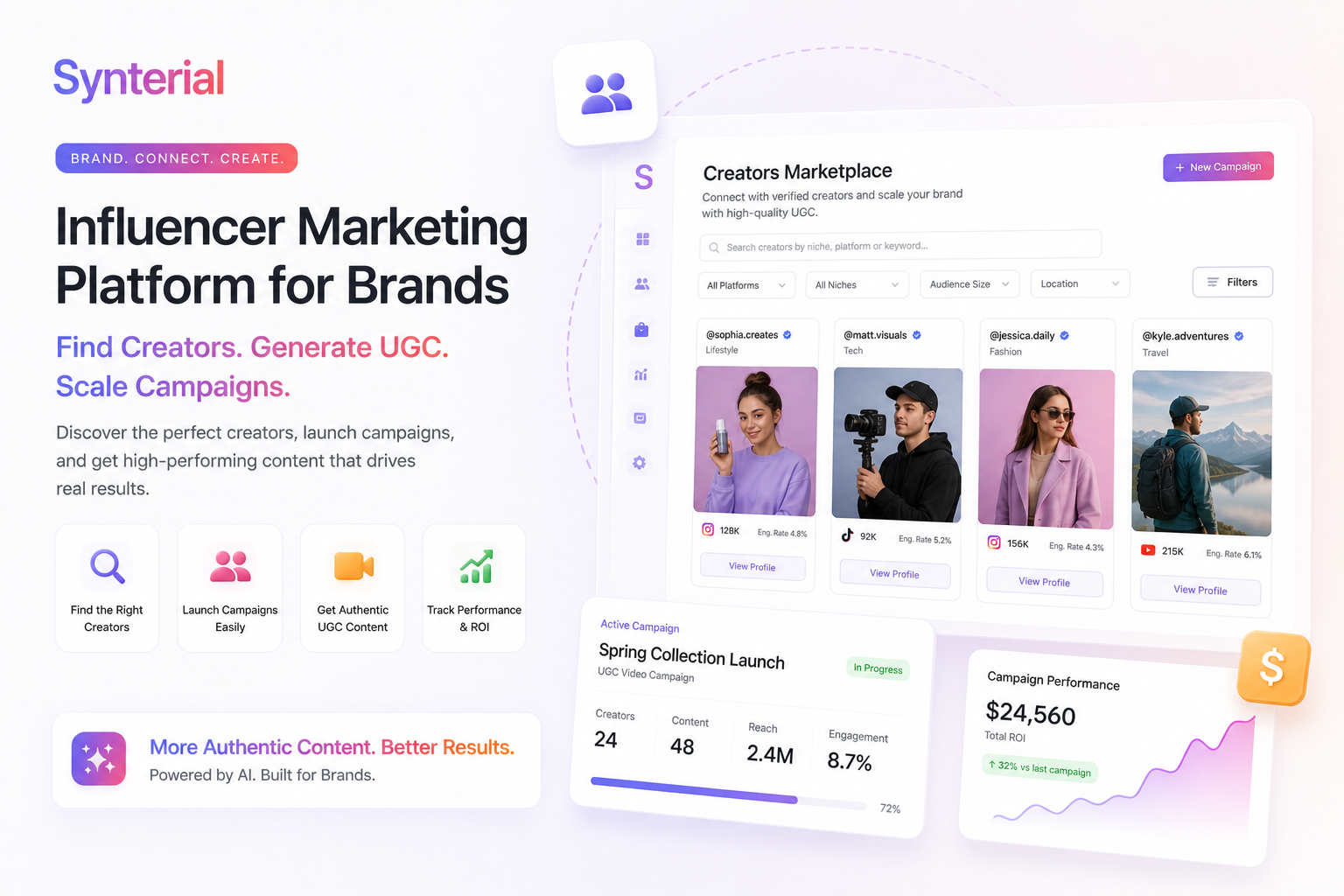
Influencer marketing in 2026 has evolved into a performance driven ecosystem where speed, authenticity, and scalability define success. Brands are no longer relying on slow agency processes or manual outreach to secure collaborations. Instead, they are turning to influencer marketplaces that connect them directly with creators who can produce high performing content on demand. This shift is not just about efficiency. It is about control, data driven decision making, and the ability to scale content production without increasing operational complexity.
At the core of this transformation is the rise of platforms that combine creator discovery, content production, and campaign management into a single workflow. Brands can now browse a wide range of creators, evaluate their style and capabilities, and initiate collaborations instantly. This eliminates the traditional friction of negotiations and long onboarding processes. The result is a faster path from idea to execution, allowing brands to respond to trends in real time and maintain a consistent content presence across channels.
User generated content has become one of the most valuable assets for modern marketing strategies. Consumers are more likely to trust content that feels authentic and relatable rather than highly polished advertisements. Influencer marketplaces enable brands to tap into this demand by working with creators who understand how to produce content that resonates with specific audiences. This creates a more natural connection between the brand and its target market, leading to higher engagement and better conversion rates.
Artificial intelligence is playing a major role in enhancing how these marketplaces operate. AI driven matching systems can analyze brand requirements and recommend creators who are most likely to deliver strong results. This reduces guesswork and increases campaign efficiency. At the same time, creators are using AI tools to generate and refine content that aligns with brand expectations, ensuring that the final output meets both creative and performance goals. This two sided optimization creates a more effective collaboration process where both brands and creators benefit.
Scalability is one of the biggest advantages of using an influencer marketplace. Instead of relying on a small group of influencers, brands can work with multiple creators simultaneously to produce a large volume of content. This is especially important in a digital environment where constant content is required to stay relevant. By diversifying their creator base, brands can test different styles, formats, and messaging approaches to identify what performs best. This iterative approach allows for continuous improvement and more efficient allocation of marketing budgets.
Another key benefit is transparency and measurable performance. Modern influencer marketplaces provide insights into campaign results, allowing brands to track engagement, conversions, and overall return on investment. This data driven approach enables smarter decision making and helps brands refine their strategies over time. Instead of relying on assumptions, brands can base their actions on real performance metrics, leading to more predictable outcomes and better long term growth.
For brands looking to expand globally, influencer marketplaces also remove geographical limitations. Collaborating with creators from different regions allows brands to localize their content and connect with diverse audiences. This is particularly valuable for companies entering new markets or launching international campaigns. The ability to access a global network of creators from a single platform simplifies the process and accelerates expansion efforts.
The relationship between brands and creators is becoming more collaborative and less transactional. Instead of one off campaigns, many brands are building long term partnerships with creators who consistently deliver results. This creates a deeper understanding of the brand voice and leads to more cohesive content over time. Influencer marketplaces support this by providing tools for ongoing collaboration, communication, and project management, making it easier to maintain these relationships.
As competition continues to increase, brands that adopt influencer marketplaces early gain a significant advantage. They are able to produce more content, test more ideas, and adapt more quickly than those relying on traditional methods. This agility is critical in a fast moving digital landscape where trends can change overnight and audience preferences evolve rapidly.
In 2026, influencer marketing is no longer about finding a single creator with a large following. It is about building a scalable system that connects brands with the right creators at the right time. Influencer marketplaces powered by AI are making this possible by streamlining the entire process from discovery to delivery. For brands that want to stay competitive, investing in this approach is not just an option. It is a necessity for growth, efficiency, and long term success.